

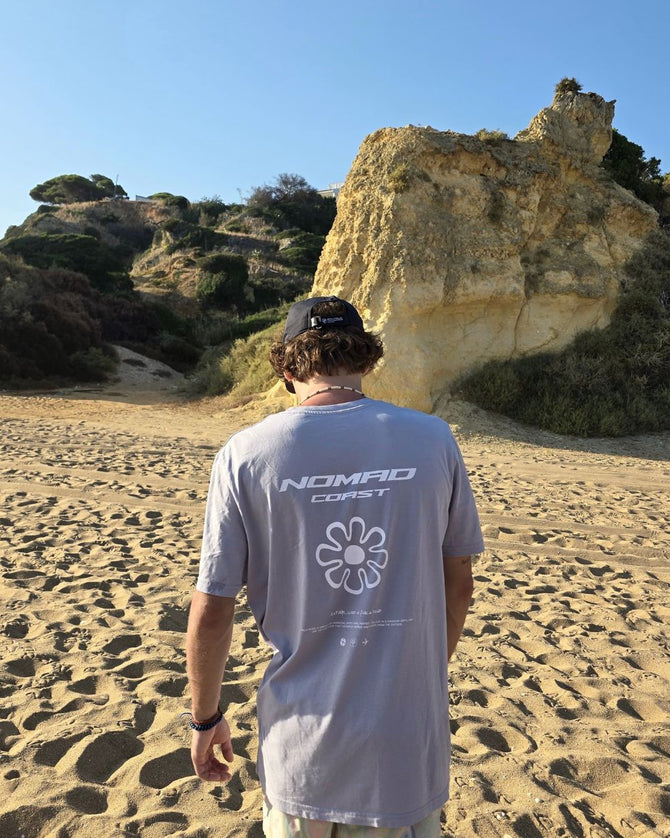




Surfing is much more than just riding the waves; it's a lifestyle. In this NOMAD COAST guide, we'll explore how to get started in surfing , as well as related disciplines like bodyboarding , duck diving , kitesurfing , and stand-up paddleboarding (SUP) . You'll learn techniques, essential equipment, and tips to enjoy every moment on the water.
How to start surfing
Basic equipment for beginners
To surf , you'll need a board suited to your skill level, a wetsuit, a leash, and surfboard wax. Soft boards are recommended for beginners, as they offer stability and make learning easier.
Basic surfing techniques
Learning to paddle correctly and maintain balance are the foundations of successful surfing . Mastering the "pop-up," or standing up on the board, is essential before venturing into bigger waves.
Water safety
Before surfing , familiarize yourself with the currents, weather conditions, and lifeguard signs. Safety should always be your top priority to avoid accidents.

Bodyboarding: glide on the waves
Differences between surfing and bodyboarding
While surfing involves standing on the board, bodyboarding is done lying down or kneeling. This style is ideal for beginners or for enjoying small, fast waves.
Bodyboarding equipment
You'll need a bodyboard, fins, and a wetsuit. Fins improve propulsion and board control in the waves.
Basic bodyboard techniques
Learning to bodyboard includes mastering turns, jumps, and the correct body position to maintain stability and speed on the waves.

Doing the duck dive surf: the essential technique
What is the "duck" in surfing
Duck surfing involves submerging the board under the wave while paddling, avoiding being caught by it. It's essential for maintaining control and moving towards the wave you want to ride.
How to practice duck
To master duck dive surfing , place your hands on the board, lower your chest, and use your feet and hands to propel yourself under the wave. Consistent practice is key.
Benefits of this technique
Improve your control in the water, reduce fatigue and increase safety while surfing , especially in medium and large waves.

Kitesurfing: surfing with wind
What you need to get started
Kitesurfing combines surfing and traction kites. You will need a kite, harness, a kiteboard, and safety equipment.
Basic kitesurfing techniques
Learning to control the kite, handle the board, and maintain balance are essential steps to kitesurfing safely and enjoyably.
Where to practice kitesurfing
Beaches with constant wind and moderate waves are ideal for getting started in kitesurfing , such as well-known spots in Tarifa, Spain or Cabarete, Dominican Republic.


Stand-up paddleboarding: balance and endurance
Differences with traditional surfing
Stand-up paddleboarding (SUP) involves paddling while standing on a wider, more stable board. It's ideal for those seeking exercise and a peaceful exploration of the sea or rivers.
Recommended equipment
A paddleboard, adjustable paddle, and life jacket are essential. Inflatable boards are convenient for transport and storage.
Techniques to improve your performance
Mastering balance, efficient paddling, and the correct posture will allow you to fully enjoy paddle surfing without excessive effort.

FAQ about Surfing and Water Sports
What do I need to start surfing?
To surf, you need a board suited to your skill level, a wetsuit, a leash, and wax. Soft boards are ideal for beginners, as they offer stability and make it easier to learn basic techniques.
What is the difference between surfing and bodyboarding?
The main difference is the position on the board: surfing is done standing up, while bodyboarding is done lying down or kneeling. Bodyboarding is ideal for beginners or for small, fast waves.
What is duck surfing and why is it important?
Duck surfing involves submerging your board under the wave while paddling, preventing it from catching you. It's essential for moving towards the waves and maintaining control and safety in the water.
Is it possible to combine kitesurfing with surfing or paddle surfing?
Yes, although kitesurfing requires wind and specific equipment, many practitioners alternate between kitesurfing, surfing and paddle surfing depending on sea conditions and their skill level.
What are the benefits of paddle surfing?
Stand-up paddleboarding (SUP) improves balance, endurance, and core strength. It's ideal for exploring beaches and rivers at a leisurely pace, enjoying the sea while getting low-impact exercise.
Surfing, bodyboarding, stand-up paddleboarding, and kitesurfing are more than just sports: they're experiences that connect you with nature and improve your well-being. Start today and take your adventure to the next level.